
Fishing Rods
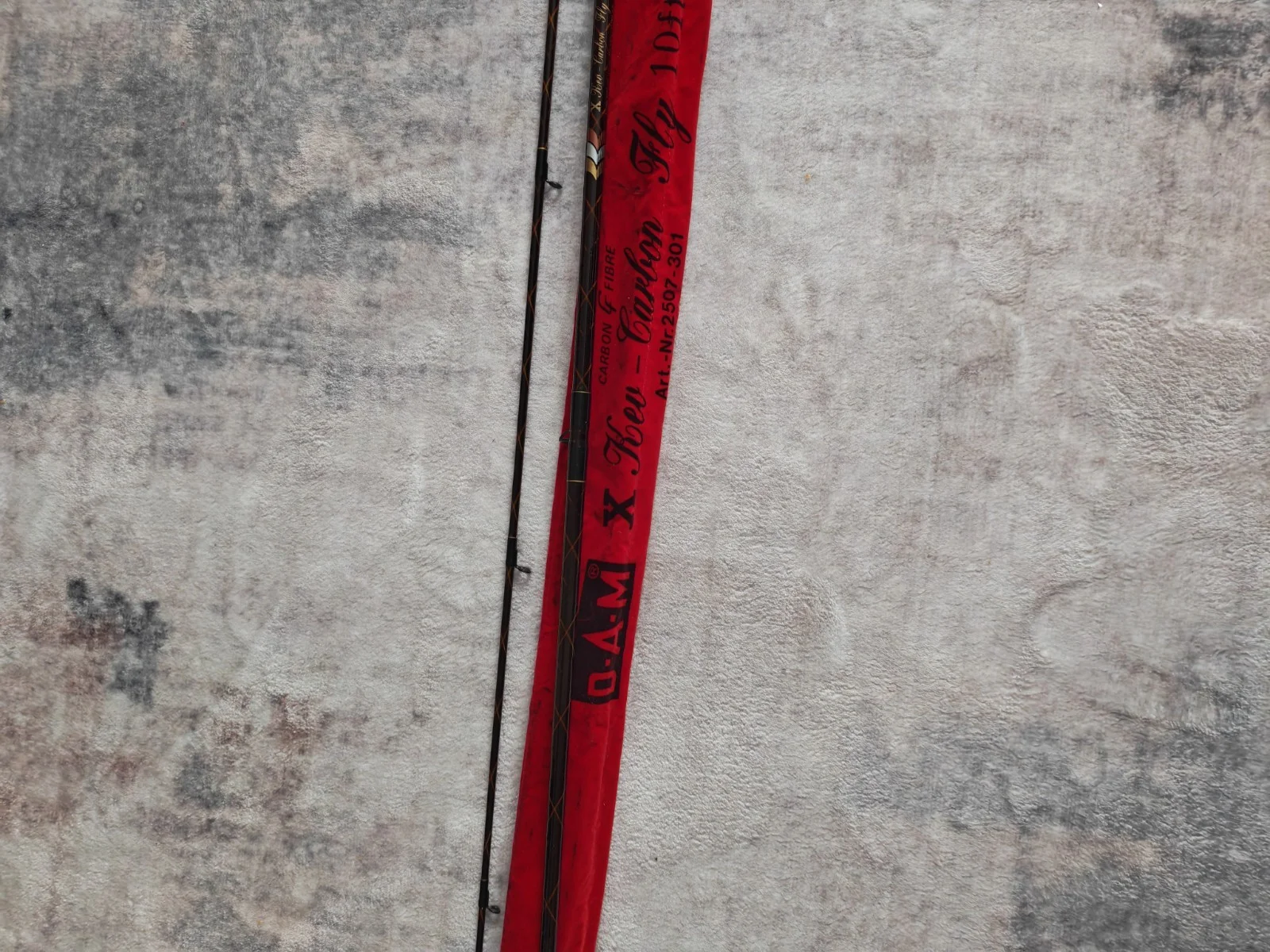
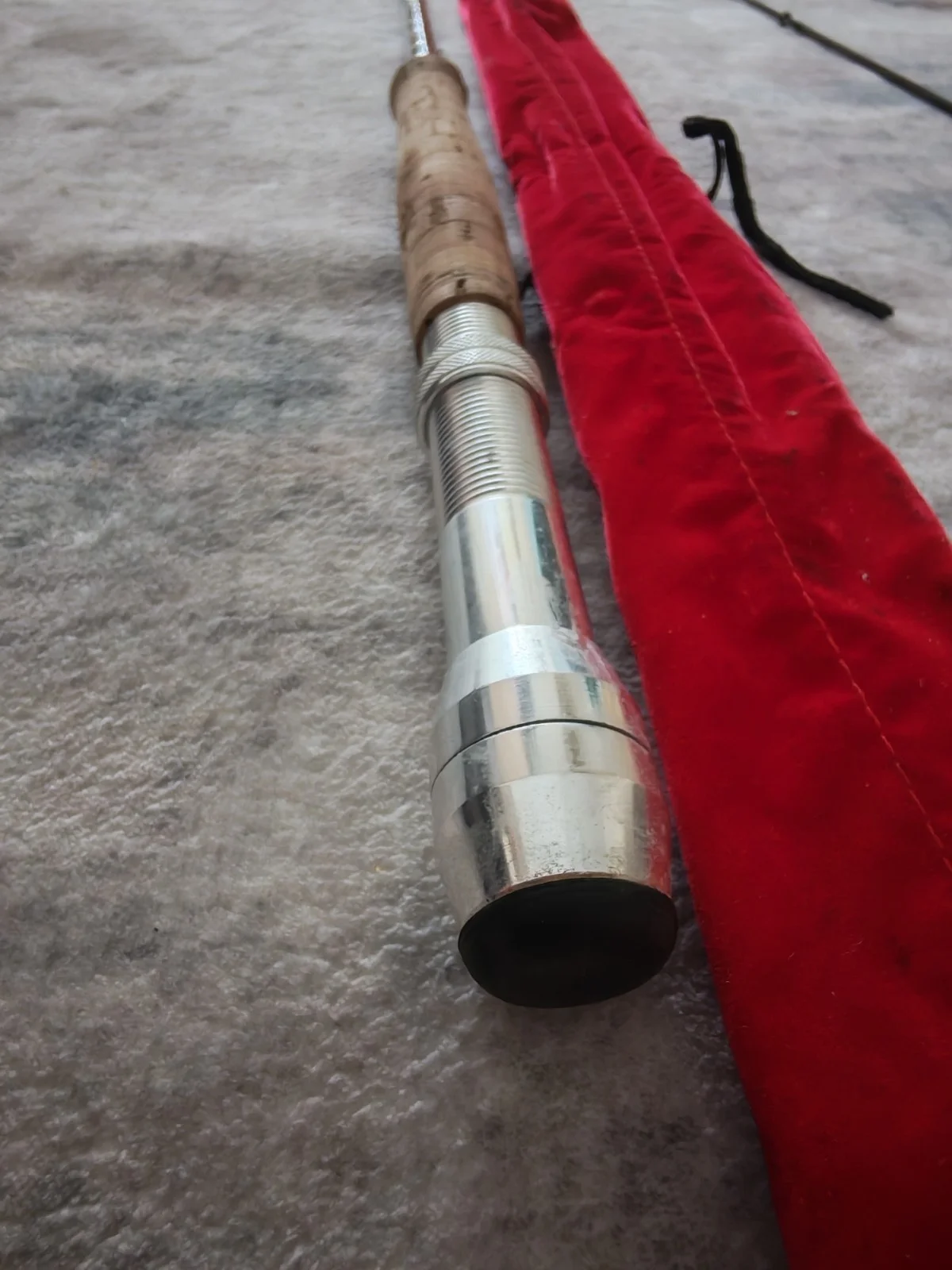
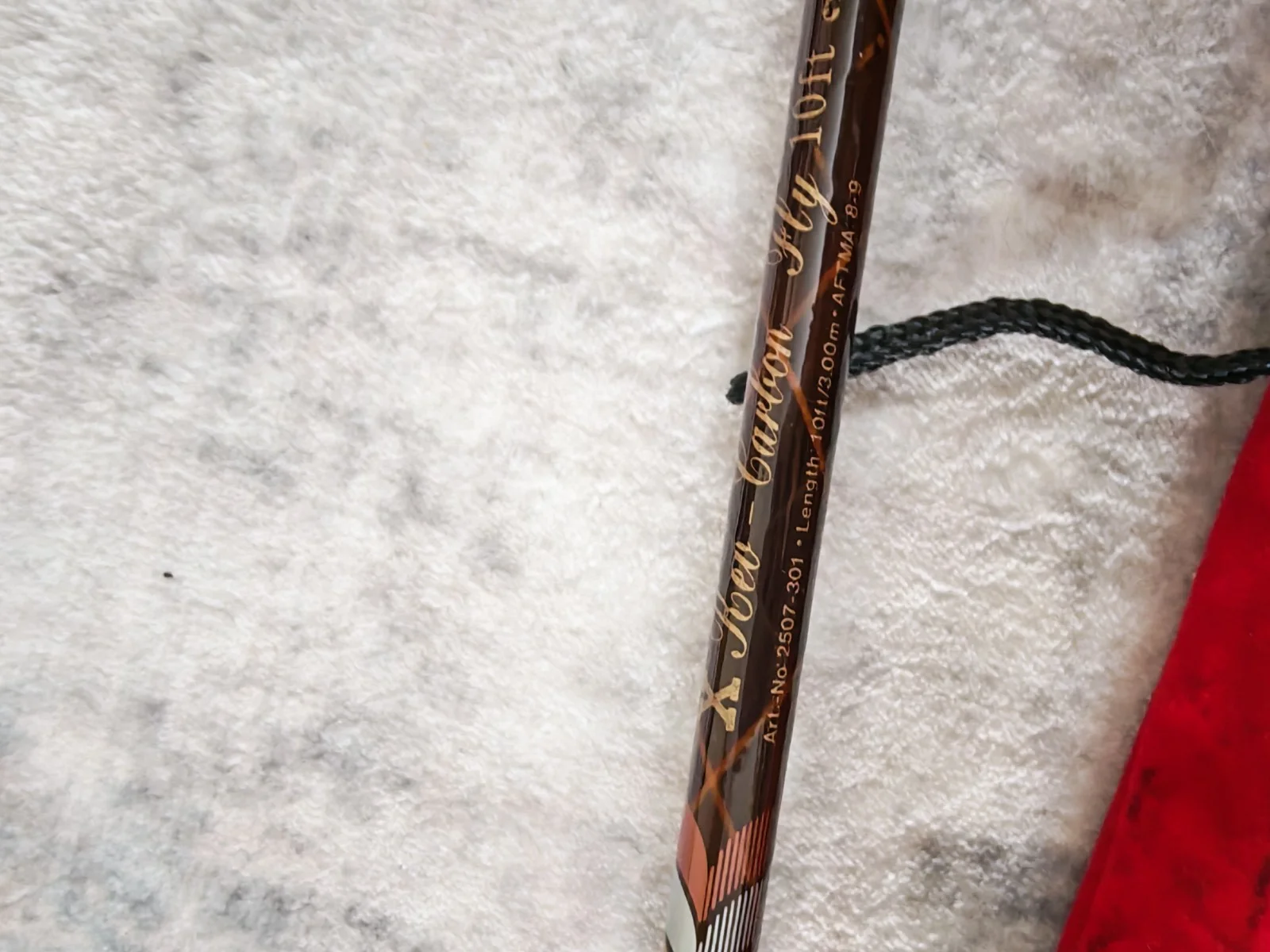
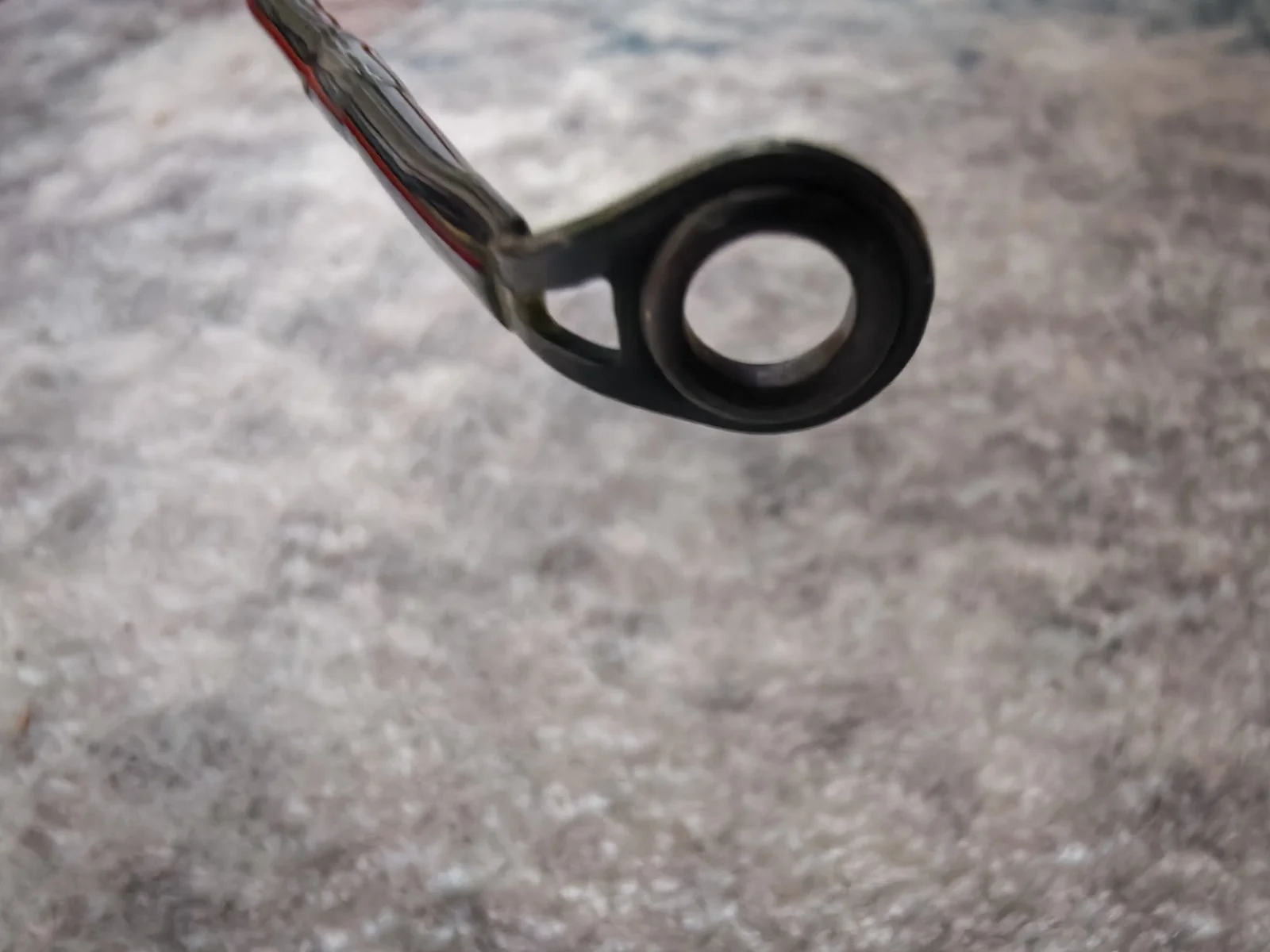
D.A.M X Kev-Carbon Fly Fishing Rod 10' #8/9 Plush Velvet Bag
Seller Information
stanley-1981
816
Specifications
Condition
Used
Bag
With Bag
Type
Fly Fishing
Brand
D.A.M
Model
X Kev-Carbon
Sport
Fishing
Vintage
Yes
Unit Type
Unit
Fish Species
Salmon, Trout
Fishing Type
Fly Fishing
Unit Quantity
1
Guide Material
Silicon Carbide
Max. Rod Length
10 Ft
Max. Line Weight
9
Country of Origin
Germany
Shaft/Blank Material
Carbon Fibre
Description
DELIVERY INCLUDED, see below.A D-A-M X Kev-Carbon Fly rod, ART. No: 2507-301 German-built 10ft fly fishing rod.Specifications:Free Delivery: see below.Length: 10 ft. - 300cmMaterial: Carbon FibreCountry of manufacture: GermanyIdeal use: Fish or collectLine Weight: #8/9Please make sure to purchase with confidence. Please look at the past customer feedback.Reasonable offers are considered, but please do not be offended if you do not receive a reply or your offer is not accepted.I have a no-returns policy, which means we do not accept buyers’ regret or purchase errors on your part. If you have any questions, please do not hesitate to contact us before purchasing.DAM history, Content attrib: Adoretackle:The brothers Oskar and Fritz Ziegenspeck established the ironmongery, sports, and fishing tackle business in 1875. Shortly after, they began producing and selling their brand of fishing tackle. In 1902, they started selling their equipment all across Europe under the name "German fishing equipment manufacturers,” the initials of which are D.A.M. in German.In 1909, just as Fritz Ziegenspeck was retiring, Otto Kuntze joined the company. At that time, Otto had extensive business connections in England, France, America, Russia and Japan. With excellent management skills, Otto Kuntze succeeded not only in successfully navigating the company throughout the First World War but also in expanding the business with his son Hellmuth.1937, the first "Pocket Catalogue for Everyman" was produced, and the first fixed-spool reel was branded the "Quick" reel. The extraordinary innovation was the DAMYL line (both brand names exist today). This began an era in which D.A.M. was setting the international standard for fishing tackle manufacturing.In the late 1930s, production and sales were so high that a subsidiary group was established in Hollfeld/Bavaria, which later moved to Gunzenhausen, where it expanded further.At that time, D.A.M. employed over 350 workers. The Second World War abruptly interrupted this phenomenal expansion phase.Otto Kuntze did not live to see the destruction of his company headquarters in 1945, as he died in 1943.Hellmuth Kuntze led the new beginning and strategically rebuilt and repositioned D.A.M. in the post-war years. With incredible industry knowledge, support, and in-house initiative, the firm was reestablished in Berlin despite political, technical, and economic difficulties.On November 11th 1955, the opening of a new modern factory in Gunzenhausen was celebrated. This was the D.A.M headquarters. A period of uninterrupted growth followed that nobody could have foreseen during the war years. Hellmuth Kuntze died in 1967 following a long period of illness. The sons Lutz and Rupert Kuntze continued their father’s work in the business, and they expanded the company globally. Due to their continuous effort, today, D.A.M. has a significant market share in many countries and kept and built on its excellent reputation for high-quality fishing tackle amongst the most well-known brands.D.A.M. was the first manufacturer to offer rods made entirely of carbon to its European retailers in 1973. It first introduced these products at the international trade fair SPOGA in Köln.For more than 100 years, D.A.M. has experienced several development phases in fishing tackle and positioned itself as an innovator, leader, and trendsetter. It delivers only high-quality products.D.A.M. was suddenly synonymous with German engineering and manufacturing. Every fisherman dreamt of having at least one item produced by D.A.M., and the"Quick spinning reels" were known worldwide as the synonym for quality "Made in Germany.” D.A.M. spearheaded this technology. For over 50 years, "Quick" fishing reels were continuously improved, and D.A.M. invested heavily in fishing tackle R&D."DAMYL" was the first German-branded line patented by a trademark.The first patent was established in 1940 at the German Patent Bureau and has flourished and been vital for over 60 years.
More Fishing Rods
£13.63
summit tackle stainless steel colosseum pod 3 rod adjustable buzz bars
£152.08
latest
7 bids
£5.88
telescopic rod
£5.45
latest
0 bids
£2.94
jag 2 rod adjustable buzz bars x 2
£31.90
latest
1 bid
£5.21
kevin nash 4 x 12 foot padded rod sleeves
£1.16
latest
0 bids
£2.94
jag rod pod, bank stick levers
£63.10
latest
0 bids
£7.19
jrc contact rods x3
£21.50
latest
0 bids